 The Honeycrumb
This post contains affiliate links. If you shop through them, Honeycrumb may earn a small commission at no cost to you. This is not medical advice — always talk to your own pediatrician.
Surviving Daycare Cold Season
If you have a kid in daycare, you already know the rhythm of fall: the first cold hits in late September, and by the time one kid recovers, it's made its way to the other one, then to Pete, then back to me, in a loop that doesn't really break until spring. This is our third fall going through it, and while I haven't found a way to stop the colds entirely, I have found a system that makes the season feel a lot less like survival mode.
I want to be clear up front that none of this is medical advice — I'm a mom who's had the same conversation with our pediatrician enough times that I finally wrote it down. If your kid is sick, talk to your own doctor.
The cold that never seems to end
Theo's first year of daycare, he had what felt like one continuous cold from October to February, with maybe a week of clear breathing in between each wave. I remember calling our pediatrician in a bit of a panic, convinced something was actually wrong with him, and she laughed gently and told me this was completely normal — kids in group care are exposed to a rotating cast of roughly 200 different cold viruses in their first couple years, and their immune systems are essentially building a library they'll draw on for the rest of their lives.
That reframe helped more than almost anything else. It's not that something's wrong. It's that this is the actual cost of socialization and daycare, and it front-loads in a way that feels relentless but does ease up as they get older.
What our pediatrician actually told us
The guidance that's stuck with us most: a cold alone, without fever, isn't usually a reason to keep a daycare-aged kid home, since by the time symptoms show up they've likely already been contagious for a day or two anyway. Fever over 100.4, vomiting, or a cough severe enough to disrupt sleep are the actual thresholds she's given us for staying home. She also told us that clear, thin mucus doesn't need treatment beyond comfort measures, but if it turns thick and colored and sticks around past ten days, that's worth a call, since it can sometimes signal a secondary infection rather than the original cold running its course.
The humidifier debate
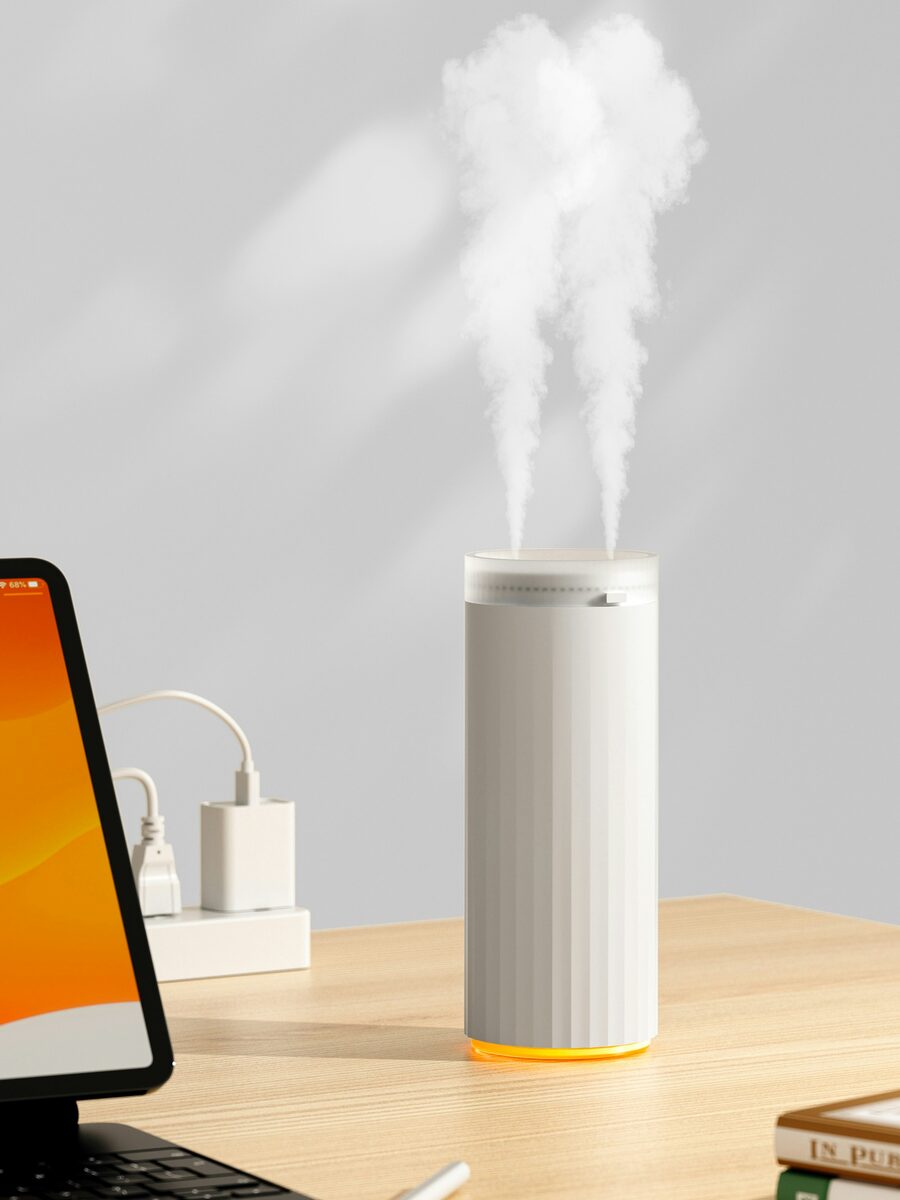
We went back and forth for a long time on whether a humidifier actually does anything, and the honest answer our pediatrician gave us is that the evidence is mixed, but it's low-risk and anecdotally helps a lot of families, including ours. We run a cool-mist humidifier in each kid's room overnight starting around the first cold of the season, mostly because it seems to help with the overnight congestion that otherwise wakes them up coughing. The caveat she gave us: clean it regularly, because a humidifier that isn't cleaned can grow mold and make things worse instead of better. We run ours through a vinegar rinse about once a week during the season.
Vitamins: what we do and don't bother with
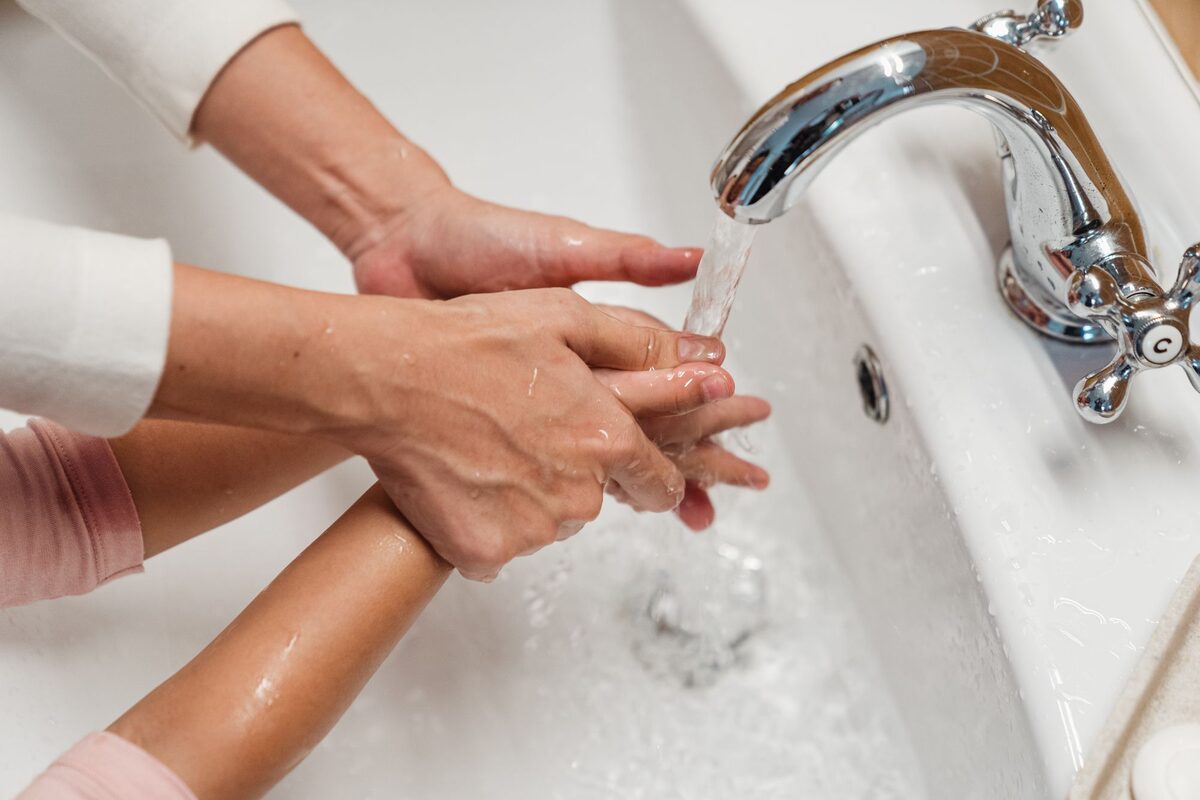
We give the kids a basic children's multivitamin with vitamin D year-round, mostly because our pediatrician flagged that kids in northern climates like ours often run low on vitamin D in the winter months regardless of diet. Beyond that, we don't do much — no elderberry, no immune-boosting gummies, nothing marketed specifically at cold prevention. She was pretty direct that there isn't strong evidence behind most of those products for kids, and that regular sleep, a reasonably balanced diet, and handwashing do more real work than any supplement would.
When to actually keep them home
Beyond our pediatrician's thresholds, we've developed our own gut check: if a kid didn't sleep well because of coughing or congestion, we keep them home the next day regardless of fever, because a tired, run-down kid tends to get sicker, not better, pushed through a full daycare day. It's meant more missed days than strictly "required," but it's also meant fewer colds turning into something that drags on for two weeks.
We've also gotten more honest with ourselves about the days we keep a kid home for our own sanity rather than a strict medical reason, and I've stopped feeling like I need to justify those days with a symptom checklist. Some mornings, a kid who's clearly on the tail end of a cold just needs a slower day at home, and we've learned that calling that what it is, rather than dressing it up as a medical necessity, is fine too.
What's helped our house survive the winter
None of this makes the season easy, exactly. We still trade colds back and forth as a family most winters, and there's always a week where everyone's sleep is a mess. But having actual thresholds instead of guessing, and knowing the constant colds are normal rather than a sign something's wrong, has made the whole season feel less like an emergency and more like a predictable, manageable stretch we know how to get through.
The other thing that's genuinely helped: lowering our own expectations for what a normal week looks like between October and March. We've stopped planning big weekend outings during the worst stretches, built more slack into our schedules, and accepted that this is simply a season of lower energy and more time at home, rather than something to fight against every single week.